Divine Mercy in Action: Bringing Life to Mwanbani

Every year, on the Sunday after Easter, the Church celebrates one of the most powerful revelations of God’s love: Divine Mercy Sunday.

It is a day that reminds us of a truth the world desperately needs:
God’s mercy is not abstract—it is active. It moves. It heals. It restores.

Through Saint Faustina Kowalska, Christ revealed His burning desire to pour out mercy upon the world. And through Pope John Paul II, this devotion was given to the universal Church.

But Divine Mercy is not meant to stay in prayer alone.
It must become incarnate—in us.

The Extraordinary Promise of Divine Mercy

On this sacred feast, Our Lord made a promise so profound that it stands among the greatest graces offered to humanity.

Jesus told Saint Faustina:

“The soul that will go to Confession and receive Holy Communion shall obtain complete forgiveness of sins and punishment.”

This means that on Divine Mercy Sunday, the floodgates of grace are opened in a unique way—
a soul can receive a grace comparable to a second baptism.

The conditions are simple, yet deeply transformative:

  • Go to Confession (within a reasonable time before the feast)

  • Receive Holy Communion worthily on that day

  • Trust completely in Jesus’ mercy

  • Be free from attachment to sin

This is not just forgiveness—
it is total renewal.

And yet, this immense gift comes with a call:

“Be merciful, just as your Father is merciful.”

Mercy Must Become Action

The message of Divine Mercy is inseparable from the Works of Mercy.

Christ calls us not only to receive mercy—but to become instruments of it:

  • Feed the hungry

  • Give drink to the thirsty

  • Shelter the homeless

  • Care for the sick

  • Comfort the sorrowful

These are the visible signs that mercy has taken root in the soul.

The Cry of Mwanbani

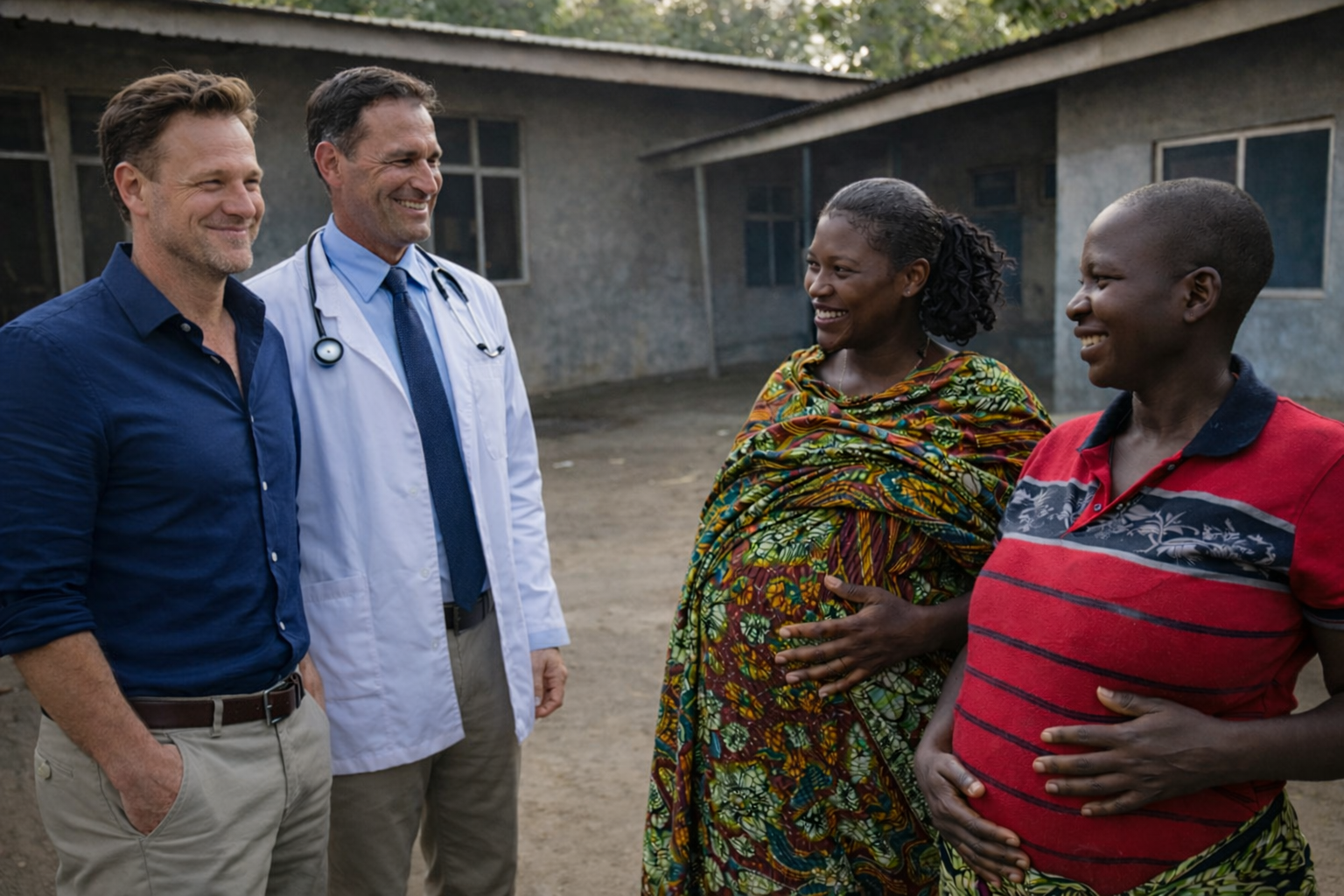
In the remote villages of the Songwe region, mothers still walk for hours—sometimes days—just to reach care during labor.

Too often, they arrive too late.

What should be a moment of life becomes a moment of loss.

This is where Divine Mercy is urgently needed—not only in prayer, but in presence.

Mercy Becomes Mission

At LiftLife Global Health, the mission in Mwanbani is simple but profound:

Bring mercy to the place where it is most needed.

The planned OBGYN Labor & Delivery Center and Maternity Waiting Home are not just buildings.
They are works of mercy made visible.

  • Caring for the sick → Skilled care for mothers and newborns

  • Sheltering the vulnerable → A safe place for mothers awaiting delivery

  • Saving lives → Emergency care when every second matters

This is Divine Mercy in action.

Not only prayed—but built.

The Wounds of Christ Are Still Visible

When the Risen Christ appeared, He did not hide His wounds.

Those wounds remain visible today—in suffering mothers, in preventable infant deaths, in forgotten communities.

Divine Mercy calls us not to turn away, but to respond.

To say:

“Jesus, I trust in You—and I will act.”

You Are Part of This Mercy

Every prayer, every sacrifice, every act of generosity becomes part of this mission.

You are not just supporting a project.
You are participating in God’s mercy reaching the world.

As Jesus told Saint Faustina:

“I demand from you deeds of mercy, which are to arise out of love for Me.”

This Divine Mercy Sunday

Do not let this day pass by.

Receive the promise.
Receive the grace.
Be renewed.

And then—go.

Bring that mercy to others.

Because in Mwanbani, mercy is not an idea.

It is a mother reaching safety.
It is a child taking their first breath.
It is a life saved.

Final Prayer

Jesus, I trust in You.
Pour out Your mercy upon us.
Make us instruments of Your love.
And let every life saved in Mwanbani
be a reflection of Your Divine Mercy.


The Pierced Side of Christ: Blood, Water, and the Mystery of Detachment

Caritas Veritate Missions Blog

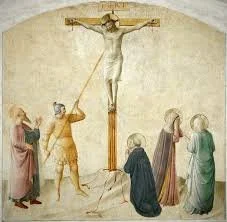
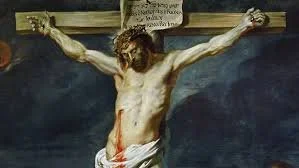
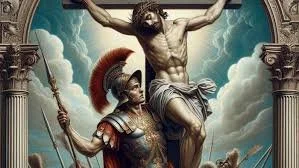
When Jesus Christ had already given up His spirit upon the Cross, a Roman soldier—traditionally known as Saint Longinus—approached and pierced His side with a lance. In that moment, Scripture tells us:

“At once there came out blood and water.” (John 19:34)

This is not a minor detail. The Church has always recognized this moment as a profound revelation—one that opens to us the deepest mysteries of salvation, love, and detachment.

The Birth of the Church from His Side

The Fathers of the Church saw in this piercing something far greater than a physical wound.

St. Augustine of Hippo taught that just as Eve was formed from the side of Adam, so too the Church is born from the side of Christ.

From His open side flows:

  • Water — the grace of Baptism, cleansing and new life

  • Blood — the gift of the Eucharist, divine life poured into the soul

Here, at the moment of His death, Christ gives birth to the Church—not through power, but through total self-gift.

A Heart Fully Opened

Christ does not die closed.
He dies opened.

His Heart is pierced, and nothing remains hidden.

No defense.
No reservation.
No holding back.

This is the full revelation of divine love:

Love that gives everything.

As St. John Chrysostom reflected, the Church flows from this open side—because true life is born from sacrifice.

The Mystery of Detachment

At the Cross, we see not only redemption—but the model of the human heart rightly ordered.

Christ is completely detached:

  • from reputation

  • from physical security

  • from the preservation of His earthly life

He clings to nothing—except the will of the Father.

And because He holds nothing back,
He is able to give everything.

This is the paradox at the heart of the Christian life:

Only the heart that is emptied can be filled.

We, by contrast, often live in fear of being emptied:

  • we protect our image

  • we cling to control

  • we hold back parts of ourselves

But Christ shows us that true freedom is not found in self-preservation—but in self-gift.

What Flows from His Side Must Flow in Us

The blood and water are not only signs of grace—they are an invitation.

Baptism (Water) calls us to:

  • die to sin

  • detach from the old self

Eucharist (Blood) calls us to:

  • live in union with Christ

  • become a gift for others

The Cross is not only something to contemplate—it is something to enter.

We are called to become what we receive:

  • poured out

  • surrendered

  • free

The Wound That Heals

The wound in Christ’s side is not a mark of defeat—it is a doorway.

It is the place where:

  • mercy flows

  • the Church is born

  • the human heart is invited to transformation

To stand before the pierced Heart of Christ is to be confronted with a question:

What am I still holding back?

A Prayer of Detachment

Lord Jesus,
from Your pierced side flowed blood and water,
revealing a love that holds nothing back.

Pierce my heart with Your grace.
Empty me of all that is not You—
my pride, my fears, my need for control.

Teach me to love as You love:
freely, completely, without reservation.

That I may be detached from all that binds me,
and united fully to You.

Amen.

Charity Flowing from the Pierced Heart

At Caritas Veritate Missions, we believe that authentic Catholic mission flows from the same source that gave birth to the Church — the pierced Heart of Christ.

Because Christ poured Himself out completely, the Church is called to pour herself out for the suffering, the poor, the sick, and the forgotten.

This spirit of self-gift is lived concretely through our humanitarian and medical outreach in East Africa, including the development of maternal health and life-saving care through LiftLife Global Health, our medical mission initiative dedicated to protecting mothers, children, and vulnerable families.

Through LiftLife Global Health, we are working to expand access to safe childbirth, emergency care, and compassionate Catholic health services in underserved regions.

🌍 Visit:
www.LiftLifeGlobal.org
www.CaritasVeritateMissions.org

When charity flows from the Eucharist,
mission becomes an extension of the Cross.

Conclusion

The lance that pierced Christ’s side did not diminish Him—it revealed Him.

In that final outpouring, we see the truth:

To love is to give everything.

And in that giving,
we find life. ✝️

Mission Veritate

The Mission of the Redeemer: From the Eucharist to the Ends of the Earth!

In 1990, Redemptoris Missio reaffirmed what the Church has always known: the missionary mandate of Christ remains urgent today.

The mission of the Church is not finished.

Saint Pope John Paul II reminded the world that proclaiming Christ to those who do not yet know Him (ad gentes) remains a permanent responsibility of the Church.

Christ’s command still echoes:

“Go therefore and make disciples of all nations.” (Matthew 28:19)

The Gospel is not one spiritual option among many.
Jesus Christ is the Redeemer of the world.

The Eucharist: Source and Summit of Mission

Mission does not begin with programs or strategy.
It begins at the altar.

The Catechism of the Catholic Church teaches that the Eucharist is:

“The source and summit of the Christian life.”

From the Eucharist flows the life of the Church.
And toward the Eucharist every mission ultimately returns.

When we encounter Christ in the Eucharist, we are sent out into the world.

The Mass does not end with private devotion.
It ends with a sending: “Go in peace.”

Mission begins there.

Mother Teresa: Mission Born from the Eucharist

Few witnesses embodied this truth more clearly than Mother Teresa.

Her work among the poorest of the poor in Calcutta was not merely humanitarian service. It was missionary love rooted in daily prayer before the Blessed Sacrament.

She famously said:

“The time you spend with Jesus in the Blessed Sacrament is the best time you will spend on earth.”

Her sisters began every day with the Eucharist and Eucharistic adoration.

From that encounter with Christ flowed radical love for the poor, the dying, and the abandoned.

For Mother Teresa, the Eucharist and mission were inseparable.

The Christ received in the Eucharist was the same Christ encountered in the suffering.

Mission in Our Time

The call of Redemptoris Missio remains urgent.

Millions still live without access to the Gospel, the sacraments, and the life-giving presence of the Church.

Mission today means bringing both the love of Christ and the dignity of human life to places where suffering and poverty still threaten life itself.

At Caritas Veritate Missions and LiftLife Global Health, this missionary call takes concrete form through efforts to support maternal health, maternity waiting homes, and life-saving care in places like Mwanbani, Tanzania.

These works are not simply development projects.

They are expressions of the Church’s missionary love flowing from the Eucharist.

From the altar to the ends of the earth, the mission continues.

Support the Mission

If you feel called to support this mission of life and dignity:

Visit:
www.CaritasVM.org

Together, we can bring hope, care, and the love of Christ to mothers and children in need.

Attending the Mission Doctors Association Gala: A Night of Calling, Courage, and Hope for Mwanbani

Last evening, I had the privilege of attending the annual gala of the Mission Doctors Association (MDA)—an evening that was far more than a fundraiser. It was a testimony. A reminder that medicine, when united with faith and service, becomes something sacred.What Mission Doctors Association Does

For more than six decades, Mission Doctors Association has recruited, trained, and sent Catholic physicians to serve in mission hospitals and clinics across Africa, Latin America, and the Pacific. These are not short-term “medical trips.” These are doctors who commit to months—and often years—of service in some of the most underserved regions in the world.

MDA provides:

  • Professional vetting and placement of physicians

  • Cultural and spiritual formation

  • Logistical support for overseas assignments

  • Ongoing partnership with mission dioceses and hospitals

In places where one doctor may serve hundreds of thousands of people, their presence quite literally saves lives.

Why This Matters for Mwanbani

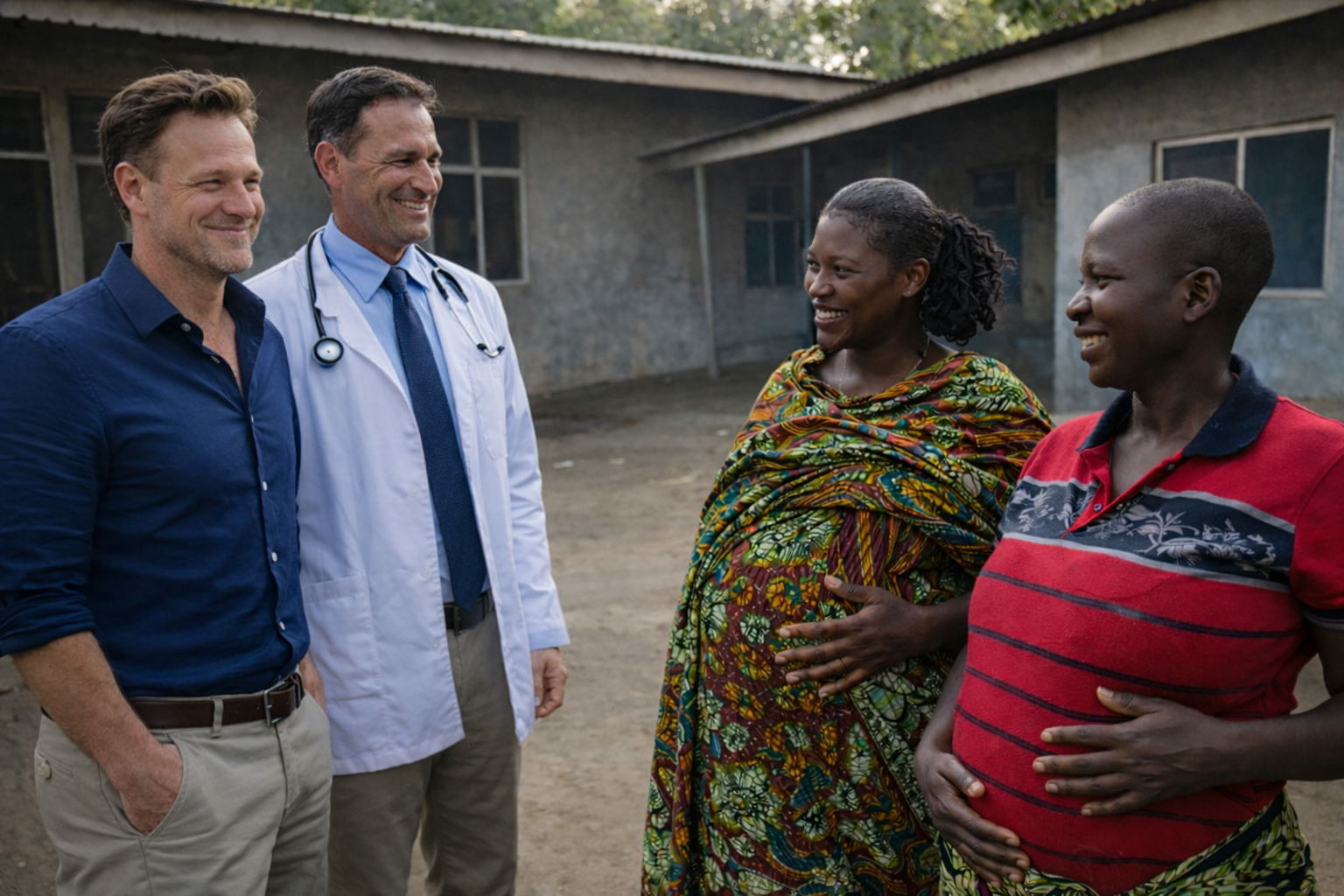
As many of you know, through LiftLife Global Health, the special projects initiative of Caritas Veritate Missions, we are working to build the Mwanbani OBGYN Labor & Delivery Center and Maternity Waiting Home in the Mbeya region of Tanzania.

Brick and mortar alone do not save lives.

Doctors do.

Midwives do.

Cardiologists do.

Physical therapists do.

At the gala, as I listened to physicians share stories of delivering babies by flashlight, performing surgery with limited equipment, and accompanying families through both life and loss, I could not help but think of Mwanbani.

We are building a center for safe births.
We are raising $5 million over the next three years.
We are working with Church leaders and mission partners.

But we are also praying—and now actively hoping—that one day soon, Mission Doctors physicians will walk the halls of Mwanbani.

A Vision for the Future

Imagine:

  • An experienced OB-GYN mentoring local Tanzanian doctors

  • A cardiologist helping manage high-risk pregnancies

  • A family physician strengthening community health outreach

  • Long-term training that builds local capacity for generations

This is sustainable mission work. This is what changes mortality rates. This is what keeps mothers alive so their children can grow up with them.

A Night of Inspiration

The gala reminded me that the Church’s medical mission is not an idea—it is alive. It is vibrant. It is filled with doctors who have said “yes” to serving Christ in the poorest of the poor.

And as I left, I carried one prayer in my heart:

Lord, send us the doctors Mwanbani will need.

If you are a physician discerning mission service—or if you know one—perhaps Mwanbani is part of that calling.

Because in Tanzania, mothers are still walking miles in labor.
Babies are still being born without adequate care.
And hope is waiting for skilled hands.

LiftLife Global Health
Saving Mothers. Saving Babies. Saving Generations.

Why Africa? Why Maternal Health?

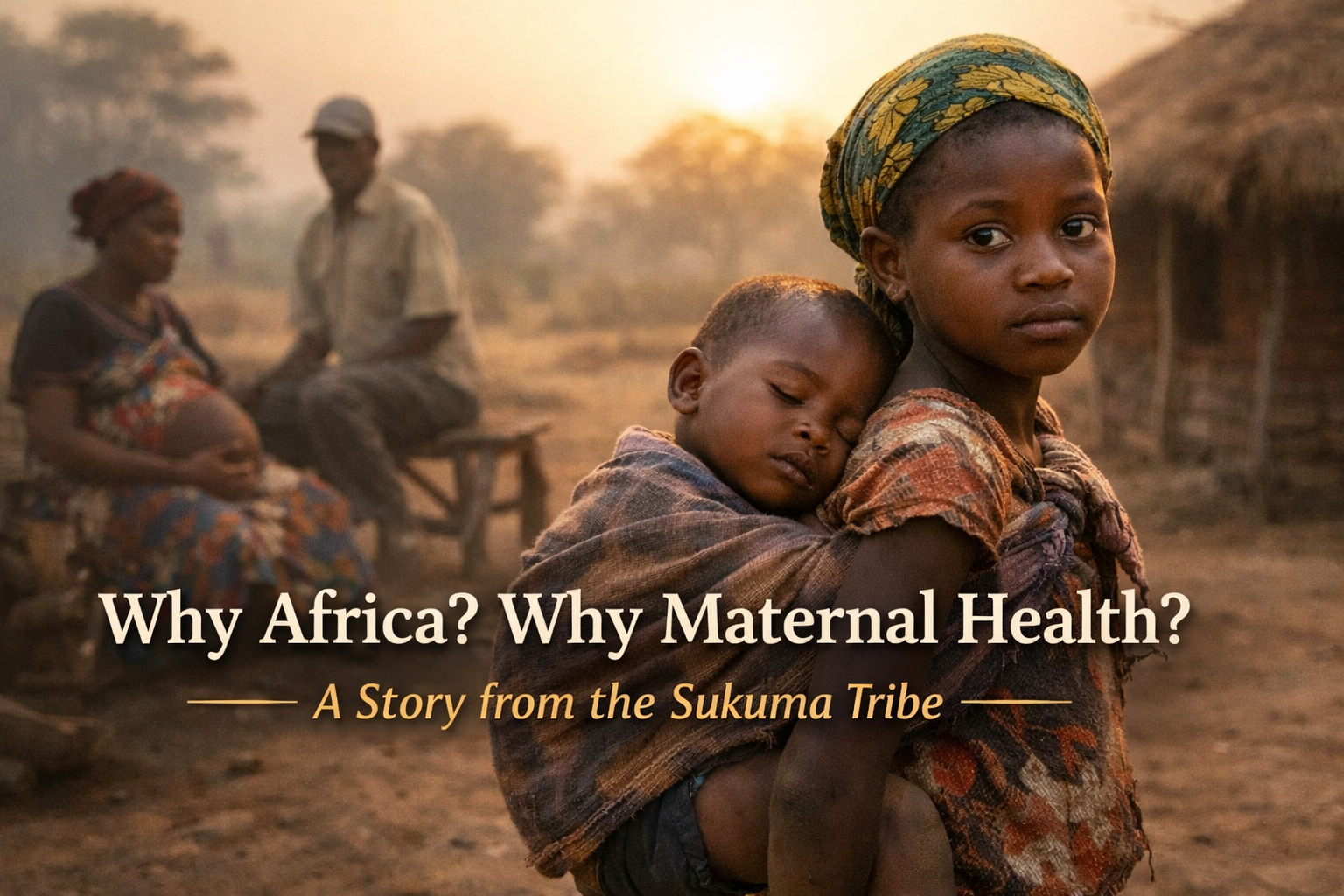
Last year, on a dusty morning outside Mwanbani, there was a young girl from the Sukuma tribe. She was no more than twelve, walking barefoot with a toddler strapped to her back and a plastic basin balanced perfectly on her head. (This is a powerful blend of narratives detailing the experiences of the poor in Tanzania regarding maternity.)

When I asked why she wasn’t in school, she answered with a quiet honesty:

“My mother is sick. I have to help.”

Without knowing it, she told the story of thousands of girls, thousands of mothers, and thousands of families across rural Tanzania — a story that shows exactly why our mission must continue.

A Village Girl’s Burden

Her mother was eight months pregnant. Their home sat more than twelve miles from the nearest clinic, with no car, no motorcycle, and no midwife.

When labor began early, they did what so many families here do:

They walked.

The little girl held her little brother.
Her father carried their only flashlight.
Her mother leaned on a stick, stopping to breathe through contractions.

Three hours to reach the road.
Two more hours until a motorbike appeared.
And by the time they reached the nearest facility, it was too late.

The baby did not survive.
And her mother barely did.

This is why we serve.
This is why we build.
This is why we go.

Why Africa? Because Families Are Still Walking

People often ask:

“Why Africa?”
“Why not focus on problems closer to home?”

But when you meet the people of Tanzania, the question changes.
It becomes:

“How could we not respond?”

Africa is full of faith, strength, and resilience.
What is missing is access — the kind of access that no mother should live without.

Why Maternal Health?

Because when a mother dies, a family loses its center.

Maternal health is:

  • a justice issue

  • a dignity issue

  • a family issue

  • a Gospel issue

Protecting mothers is protecting generations.

Why Mwanbani?

The Mwanbani region has:

  • Needs an upgraded OBGYN center

  • no maternity waiting home

  • long walking distances

  • high maternal and infant mortality

This is why LiftLife Global Health and Caritas Veritate Missions are building the Mwanbani OBGYN Labor & Delivery Hospital and the 20-bed Maternity Waiting Home.

A place where:

  • women can arrive before labor

  • midwives offer 24/7 skilled care

  • long-term physicians can serve

  • no woman gives birth alone again

This is charity in truth.
This is mercy made concrete.

Why Us? Because Love Has No Borders

We do not go because it is easy.
We go because love sends us.

Love crosses borders.
Love lifts villages.
Love stands with mothers and protects babies.
Love walks the roads ,families still walk every night.

This story and others like it are the reason we keep moving forward.
Her mother’s suffering is the reason we build.
And her hope is the reason we will not stop.

Because love has no borders — and neither does our responsibility to one another.

CALL TO ACTION (Button Block Text)

Support the Mwanbani OBGYN Hospital www.liftlifeglobal.org
/ donate

TAGS

Africa, Maternal Health, Tanzania, Mwanbani Project, LiftLife Global Health, Catholic Missions, Sukuma Tribe, Mothers and Babies, Global Health, OBGYN Care

CATEGORY

Mission Stories