Mother Teresa, the Holy Eucharist, and the Mission to Serve the Suffering
The Source and Summit of Every True Work of Charity
Among all the saints of the modern age, few spoke about the Holy Eucharist with the clarity, conviction, and lived faith of Mother Teresa.
For her, the Eucharist was not simply a devotion among many — it was the center of her life, the strength of her mission, and the reason her work among the poorest of the poor did not become mere humanitarian effort, but an act of divine love.
The Church teaches:
“The Holy Eucharist is the source and summit of the Christian life.”
— Catechism of the Catholic Church, 1324
Mother Teresa lived this truth completely, and her example continues to guide missionary work today — including efforts to relieve suffering in places where mothers and children still die for lack of basic medical care.
The Eucharist Before Everything
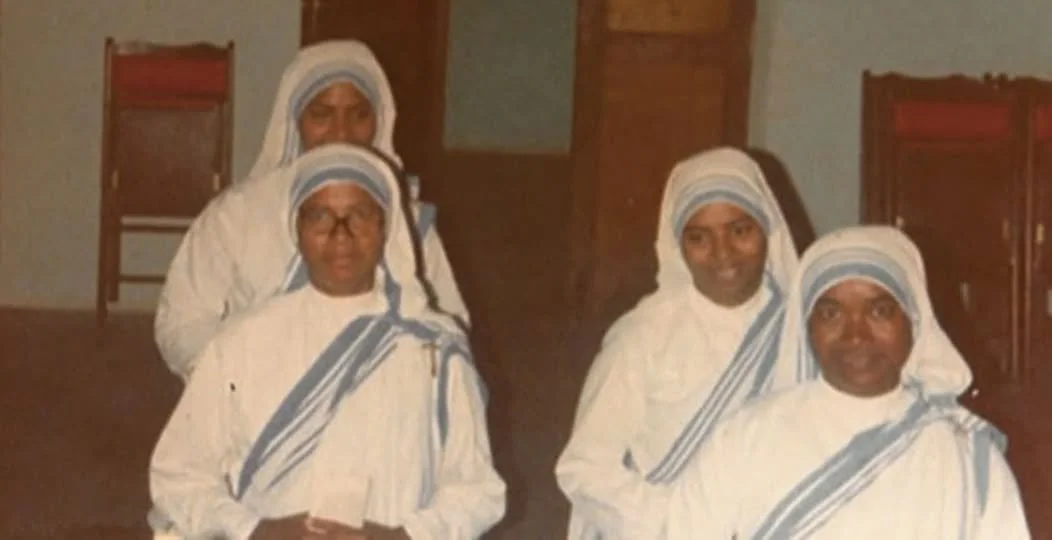
In the religious order she founded, the Missionaries of Charity, the day always began with the Eucharist.
Before the sisters went into the streets to serve the poor, they first went to Jesus.
Holy Mass
Prayer
Eucharistic Adoration
Mother Teresa insisted on this order because she believed that without Jesus in the Eucharist, charity loses its power.
She said:
“Without the Eucharist, we could not do what we do.”
For her, the Eucharist was not symbolic.
It was not only spiritual.
It was not only devotional.
It was Jesus truly present — giving strength to love beyond human limits.
The Same Jesus in the Host and in the Suffering
Mother Teresa taught that the same Christ present in the consecrated Host is present in those who suffer.
She often said:
“We must be able to recognize Jesus in the broken bread
and in the broken bodies of the poor.”
Because she adored Christ in the Eucharist,
she could recognize Him in the dying.
Because she knelt before the tabernacle,
she could kneel beside the abandoned.
Because she received Christ in Holy Communion,
she could give Christ to the world through charity.
This is the heart of Catholic mission.
Eucharistic Faith and Mission Today
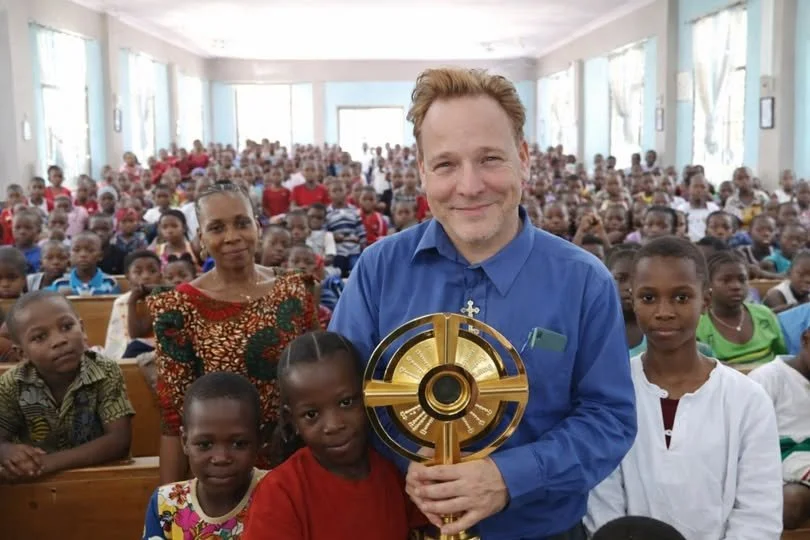
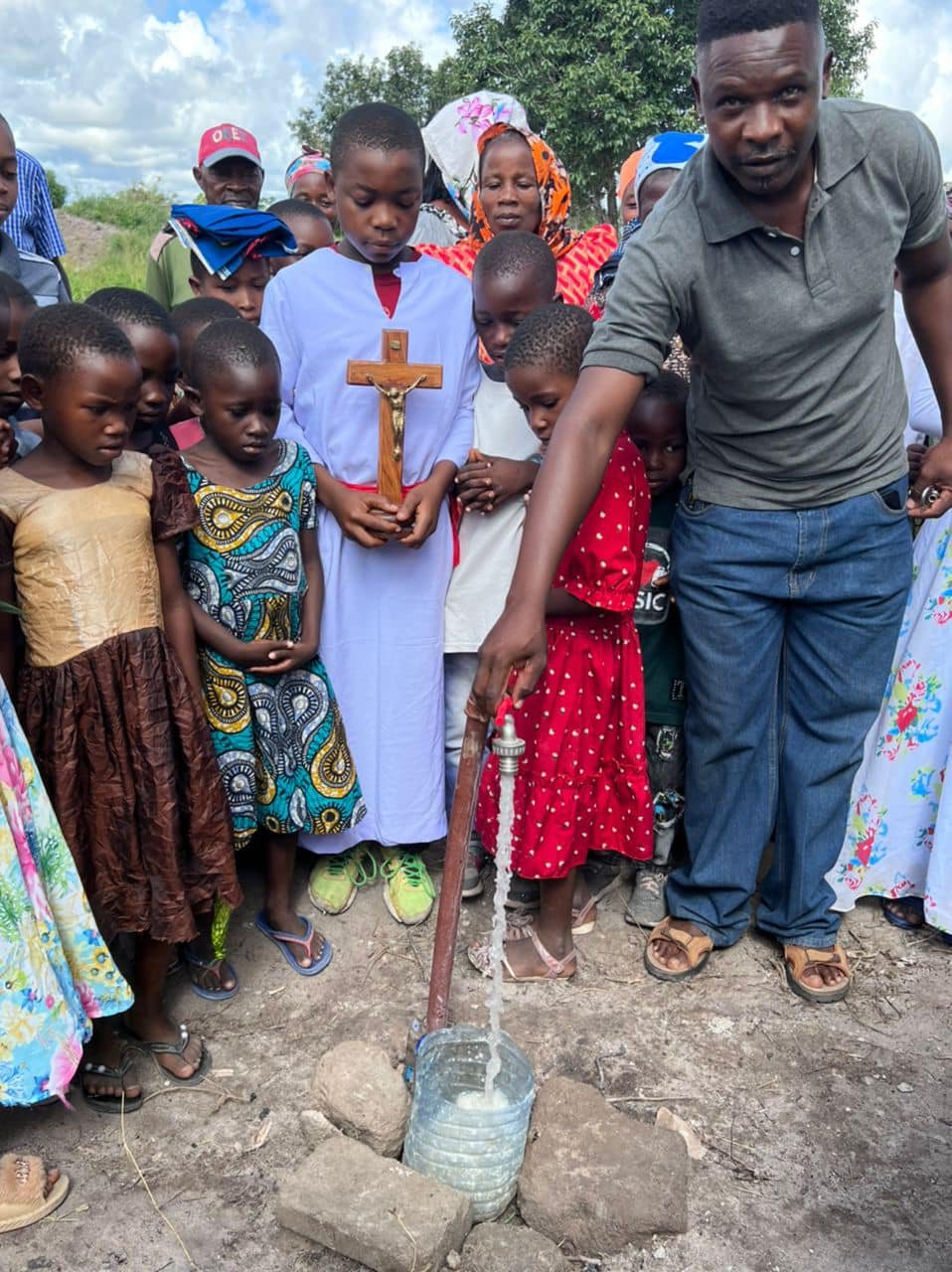
The spirit that guided Mother Teresa continues to inspire missionary work throughout the world, especially in places where the suffering of mothers and children cries out for help.
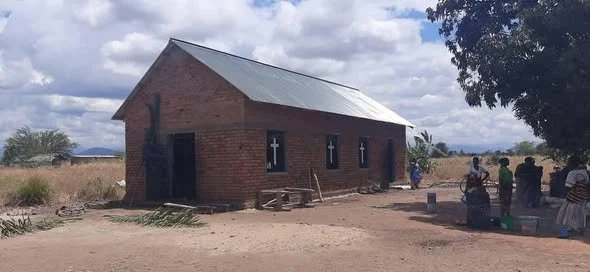
In rural Tanzania, many women still face childbirth without access to proper medical care.
Complications that could easily be treated in developed countries often become fatal.
Infant mortality and maternal mortality remain high in remote regions where hospitals are far away or lack proper equipment.
In response to this need, the Mwanbani OB/GYN Labor and Delivery Center project in Tanzania has been developed to provide safe childbirth, emergency obstetric care, prenatal support, and life-saving treatment for mothers and newborns.
This work is being carried forward through LiftLife Global Health, a Catholic-inspired humanitarian initiative dedicated to reducing maternal and infant mortality through scalable medical missions rooted in faith, charity, and human dignity. www.liftlifeglobal.org
Like Mother Teresa’s mission, the goal is not only to provide services, but to serve Christ in the suffering.
The same principle remains:
Eucharist → Prayer → Mission → Charity → Life
Without the Eucharist, the work becomes only medicine.
With the Eucharist, the work becomes love.
The Secret of Strength: Adoration Before Action
When the work of the Missionaries of Charity became overwhelming, Mother Teresa did not reduce prayer.
She increased it.
She required every sister to spend one hour each day before the Blessed Sacrament.
After this change, she said the sisters had:
more peace
more joy
more endurance
more love for the poor
She explained:
“When you look at the crucifix, you see how much Jesus loved you then.
When you look at the Eucharist, you see how much He loves you now.”
This same truth sustains every real missionary effort today.
Hospitals can be built.
Funds can be raised.
Plans can be made.
But without Christ, the mission loses its soul.
The Eucharist Is the Heart of Every True Mission
Mother Teresa believed the greatest poverty in the modern world is not material poverty, but the loss of faith in the Real Presence.
When people no longer believe that Jesus is truly present in the Eucharist,
they also lose the ability to recognize Him in the suffering.
Without the Eucharist:
charity becomes social work
service becomes activism
mission becomes ideology
With the Eucharist:
service becomes love
sacrifice becomes joy
mission becomes holy
This is why every true Catholic mission begins at the altar.
And this is why her words remain the clearest summary of missionary life ever spoken:
“Without the Eucharist, we could not do what we do.”
— St. Teresa of Calcutta
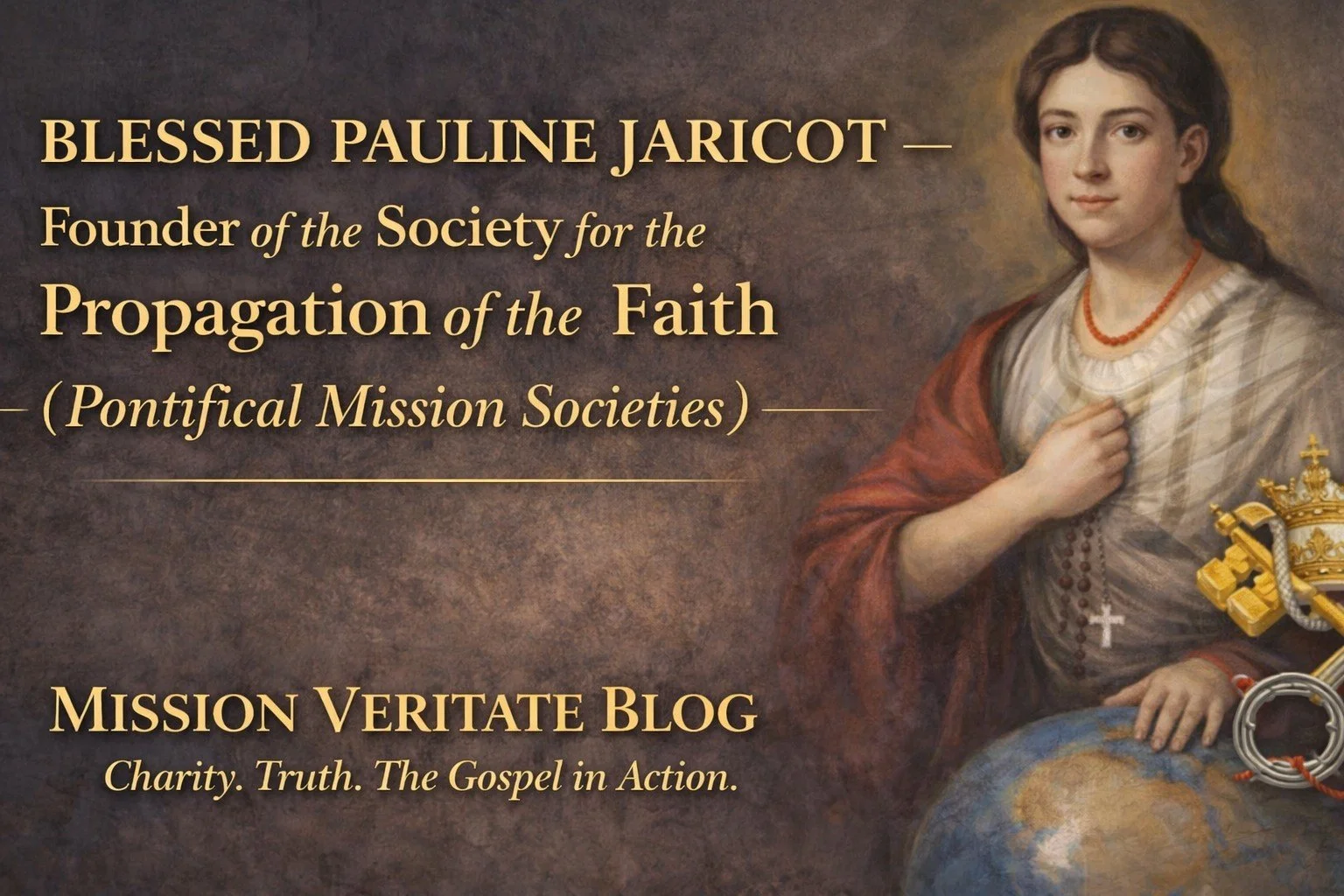
Pauline Jaricot founded the Society for the Propagation of the Faith, now part of the Pontifical Mission Societies. Learn how her vision continues today through Catholic missionary work, evangelization, and humanitarian projects including LiftLife Global Health in Tanzania.